Europe’s new drugs crisis? How fentanyl and other synthetic opioids threaten us
Highly potent opioids such as fentanyl have claimed thousands of lives in North America. Now these dangerous substances are reaching Europe. Can Switzerland’s successful four-pillar model prevent a similar disaster?
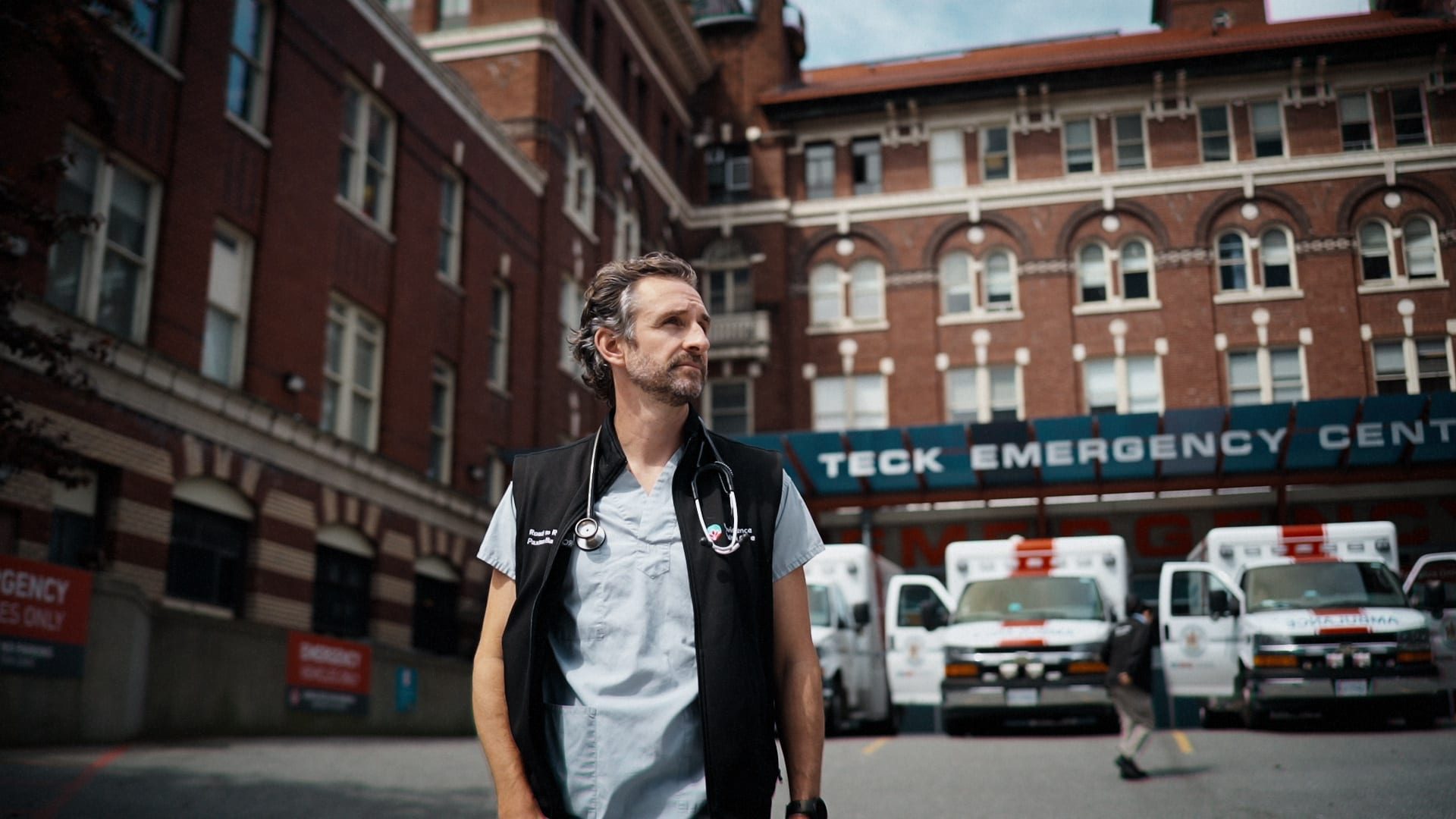
When fentanyl suddenly appeared in Vancouver ten years ago, there was no warning. Within a very short space of time, it had largely displaced heroin from the illegal drugs market. The result: the number of people who died from an overdose increased dramatically. “I pray that Europe does not end up in the same situation as we did,” says the Canadian addiction specialist Paxton Bach. “But I fear it is only a matter of time.”
Meanwhile, highly potent synthetic opioids such as nitazene are also spreading across Europe. They are sold online, mixed with heroin or tablets, and in some cases consumed without the users even realising it. Even the smallest amounts can cause a fatal overdose.
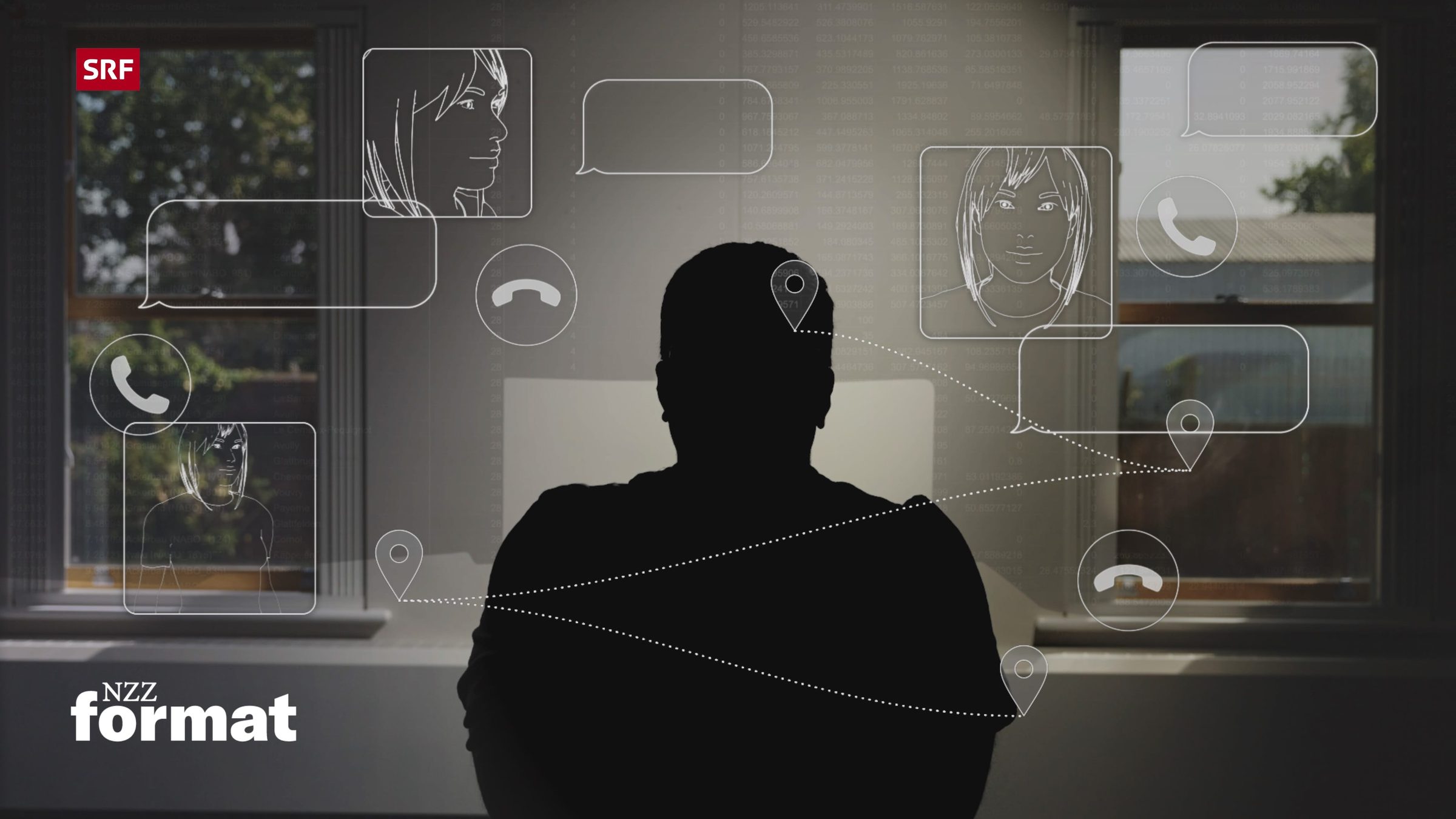
In Germany, it is already becoming apparent just how fundamentally the drugs market is changing. Clinics are treating an increasing number of younger users; at the same time, the trade is shifting from the streets to the internet. Via social media, messaging apps and online shops, the substances can be ordered for home delivery with just a few clicks. As a result, it is becoming harder for traditional support services to reach users, and new developments on the market are more difficult to identify.
Since the closure of the open drug scenes at Zurich’s Platzspitz and Letten, Switzerland has been regarded worldwide as a model for pragmatic drug policy. Consumption rooms, substitution programmes, drug testing and early warning systems are designed to prevent individual cases from escalating into a new crisis. But can the successful model of the 1990s withstand a globalised, synthetic drug market?
| Production: | NZZ Format, SRF, 2026 |
| Status: | Broadcast on SRF (Swiss national TV) on 20. August 2026, available on YouTube |
| Genre: | TV-Documentary |
| Language: | English, German |
| Length: | 51 Minutes |
| A film by: | Nicole Krättli |
| Camera: | Till Haener, Stephan Huwyler |
| Editing: | Isai Oswald |
| Sound mix: | Brauereisound GmbH |
| Voices: | Danny Exnar, Armin Berger, Raphael Clamer, Nadin Hadorn, Edward Piccin |
| Color grading: | Kamerawerk GmbH |
| Story producer: | Luca Froelicher |
| Producer: | Jörg Walch |